
What is the Difference Between Thinking About TRUTH & Realizing Truth
Some considerations...

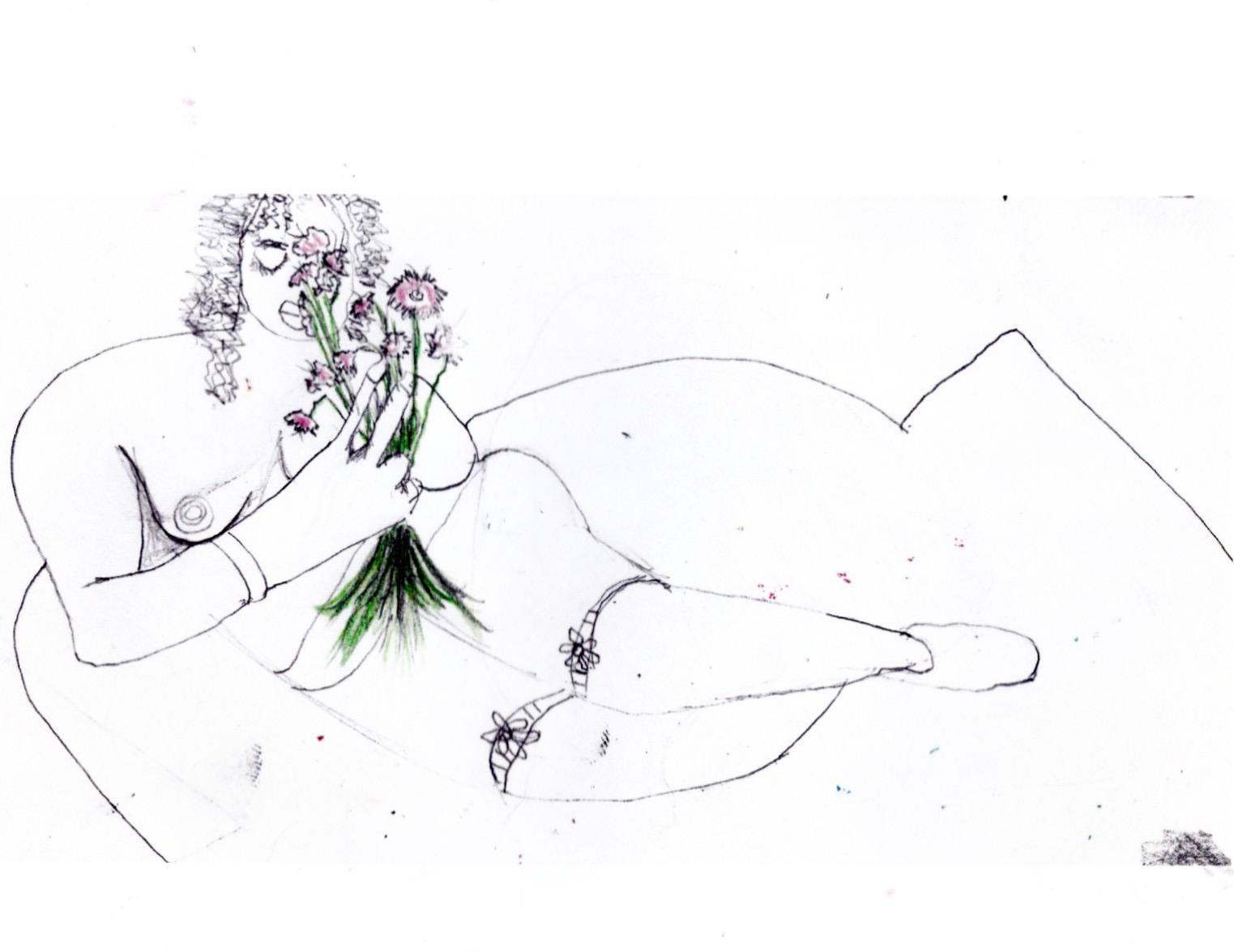
Let’s Begin with an ALL TOO COMMON Condition which Changes into A REAL Experience.
The condition is centered on love. To begin, we need to understand there are two types of love:
1. love that is apparent
2. love that is realized
Before we understand the difference between apparent love and realized love we need to understand the meaning of apparent and realized.
Apparent - Refers to a love that appears to be evident, obvious, clearly present which changes incessantly.
Realized - Refers to awareness of love that is understood and goes beyond appearance which does not change.
Apparent reality of love is unstable, impermanent, constantly changing.
Realized reality refers to a love that is beyond change, it is immeasurable, uncreated, unchanging, unconditoned.
This view of love is not based on any one in particular. It is more a collage of various views of those who suffered from the instability, impermanence and the changeable nature of those they thought as the love of their life.
The word thought is a stong contributer to the suffering because the so-called lovers inevitably begin to think thoughts based on wishes, hopes, desires and expectations. The instability, unexpected changes and natural changes in the love from the lover ultimately presents an unstable, precarious love. This can begin with disappointment and end with fear and a sense of danger.
It takes time for apparent love to show its unpredicatible and uncertain behaviors. When, however, it does show its erratic nature it is often alarming. The alarming factors are unpredictable and present in a variety of conduct.
The range of conduct can be from overly loving to the point of suffocation to a cold wind of ignorance and hate.
There is also a middle. ground which is rooted primarily in ordinary behaviors. This middle place also suffers from disregard and care but not to the degree of being alarming. This middle place, however, does eventually bring suffering which is seen and expereniced when separation of any kind occurs. It includes illness to death, and philandering to divorce.
Realized love is beyond the apparent love. It does not rely on thought or thinking since thought & thinking relies on dreams, wishes, hopes, desires and overall longing. Realized love is transcendent and transformational. Realized love does not rely on others or the external, apparent love.
Realization requires full awareness of reality, THAT which does not change, known by many names. It could be considered as a vision which rests on meditation and contemplation. When we stop relying on the apparent, material world to satisfy our longings and neediness we have an opportunity to purify our mind and heart.
Realization requires an earnest commitment to meditation and contemplation. We learn to STOP the thoughts and thinking by letting them go. We stop prejudice for and against and see through the delusion of the worldliness of existence.
When we study ourselves we open the capacity to realize the TRUTH. We open to intuition and high level realization. We need to rely on absorption of the mind and wisdom.
We develop deep compassion, meditation, contemplation and wisdom equally.
It requires effort, commitment and a willingness to take up the work right where we are. Ultimately it requires a selfless, egoless, empty mind.
A Single Thread –Contemplative Order of Hsu Yun
We are practicing Zen Buddhist contemplatives – living simply, turning away from the busy world, seeking the Dharma moment by moment right where we are. We meditate and spend time in solitude and silence. We offer kindness to those who come seeking spiritual help. We are ordained priests, ordained monks and committed household practitioners. We are self-supporting and provide for our own needs. We do not live in common and have no common fund. There are no dues or fees of any kind. The teachings are offered freely. Donations are accepted, not required.
For those in search of the eternal, we offer direction and teachings. There are no age limits or bias toward any particular cultural expression of the Way. We embrace varied and multiple approaches to practice.
All faiths are welcome.
This practice requires a sincere heart that longs to end dissatisfaction and suffering and a willingness to commit to the participation level that works for each person.
We follow the lineage of Hsu Yun who is a patriarch of the sixth Chinese ancestor, Hui Neng. A master who was both impoverished in the material sense and illiterate. His awakening was sudden and immediate after hearing one teaching of the Diamond Sutra.
Our direct ancestor is Ming Zhen Shakya, a 21st century teacher of Hsu Yun. She was a brilliant teacher of the Dharma who carried a sharp, cutting through sword. Our main practice is a combination of silent illumination and devotion to karma (action) which translates into sitting, silence, solitude, stillness and study.
Levels of Commitment
The levels of commitment provide a structure to assist others to go deeper and deeper into one’s self in order to discover who and what one is. The best way to say this is to say these commitments bring brighter and brighter light into one’s own life as well as brighter and brighter light into the world. The basis and foundation underlying these commitments is to relinquish more and more of self-interest and selfishness. Although it may sound linear, the process is not linear and may take many, diverse shapes on the Way.
Household Practitioner
Lay Ordination
Ordained Contemplative Monk
Ordained Contemplative Priest
——————————————————————————
If you are interested in making a commitment, please email laodizhishakya@gmail.com for details.
Contemplative
[1] contemplative (adj.)
mid-14c., “devoted to (sacred) contemplation, devout,” from Old French contemplatif (12c.) and directly from Latin contemplativus “speculative, theoretical,” formed (after Greek theoretikos) from contemplat-, past-participle stem of contemplari “to gaze attentively, observe; consider, contemplate” (see contemplate). Meaning “given to continued and absorbed reflection” is from late 15c. Related: Contemplatively.
Etymology online